
Modern cars rely on onboard computers to monitor engine performance, emissions, and key safety systems. An OBD2 reader (also called a diagnostic scanner) allows drivers to access some of this information and understand why warning lights, such as the check engine light, may appear.
This guide explains what an OBD2 reader is, how it’s used at a basic level, and how its results should be interpreted — without encouraging unsafe or incorrect DIY repairs.
For broader upkeep advice, visit our car maintenance guidance hub.
What is an OBD2 reader?
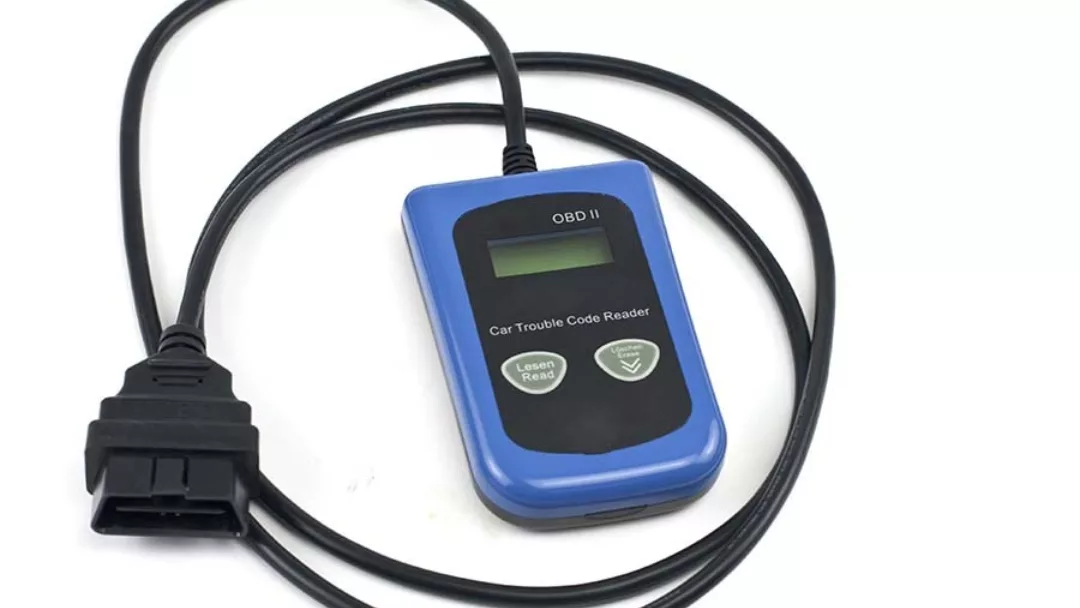
An OBD2 (On-Board Diagnostics) reader is a plug-in diagnostic device that connects to your car’s onboard computer. It retrieves fault codes related to emissions systems, engine performance, and certain electronic components.
OBD2 readers do not fix problems — they only report stored fault information.
Types of OBD2 readers
There are two common categories:
Code readers
These basic devices read and clear fault codes. They’re designed to explain why a warning light has appeared, not to diagnose the exact mechanical cause.
Scan tools
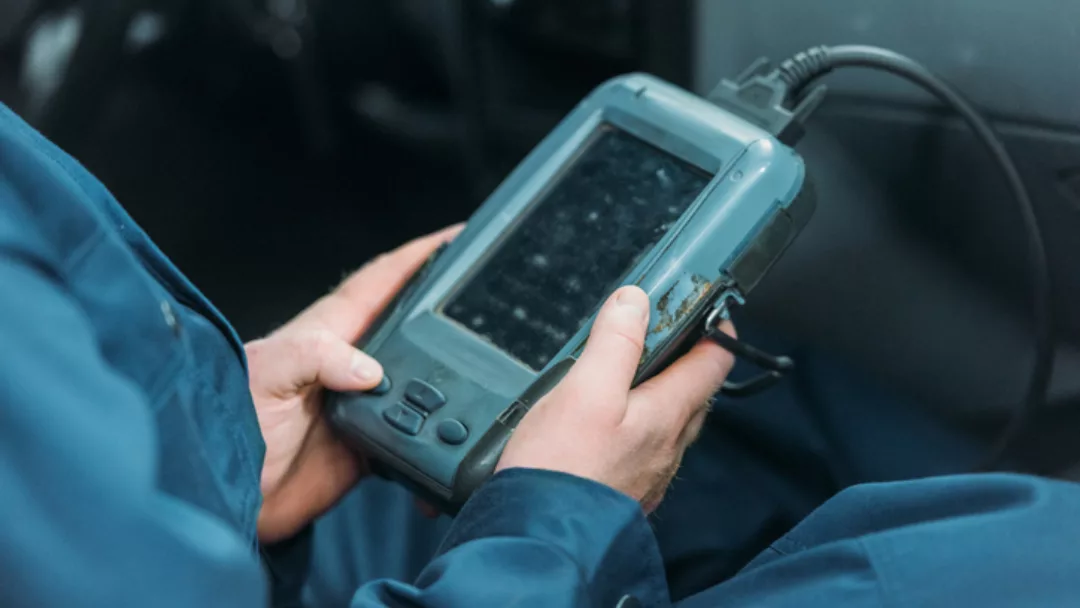
More advanced scanners can display live data, such as engine temperature or sensor readings. These are often used by professionals and experienced enthusiasts but still require technical knowledge to interpret accurately.
Where to find the OBD2 port
In most cars, the OBD2 port is a 16-pin connector located inside the cabin, usually:
-
Under the dashboard
-
Near the steering column
It is not under the bonnet.
How to use an OBD2 reader (basic overview)
Using an OBD2 reader generally involves:
-
Plugging the scanner into the OBD2 port
-
Turning the ignition on (engine usually off unless instructed otherwise)
-
Allowing the scanner to establish a connection
-
Selecting “read codes” or “trouble codes” from the menu
The scanner will display either a description or an alphanumeric fault code.
Understanding fault codes
Some scanners display plain-English explanations, while others show codes such as P0300 or P0420. These codes indicate where the issue has been detected, not necessarily what part needs replacing.
Generic fault codes can usually be found in the scanner’s manual or within its companion software. Manufacturer-specific codes may require professional diagnostic equipment to interpret fully.
What an OBD2 reader can tell you
An OBD2 reader can provide insight into:
-
Engine and emissions system faults
-
Fuel and air intake irregularities
-
Sensor and ignition issues
-
Why a warning light has appeared
Some advanced scanners can also display live data such as engine temperature, RPM, and fuel trim values.
What an OBD2 reader cannot do
It’s important to understand the limits of an OBD2 scanner. It:
-
Cannot confirm mechanical wear or physical damage
-
Cannot repair faults
-
Cannot always identify the root cause of a problem
A single fault code may be triggered by multiple underlying issues, which is why professional inspection is often required.
How the scanner diagnoses your car
Your car continuously monitors its systems through onboard sensors. When a reading falls outside expected parameters, the system stores a fault code and may trigger a warning light.
An OBD2 reader simply accesses this stored information. It does not actively test components — it reports what the car’s computer has already detected.
If a check engine light is flashing rather than steady, this usually indicates a more serious issue and the vehicle should not be driven until assessed.
If you want to better understand warning lights alongside diagnostic codes, our car dashboard warning lights guide explains what different alerts mean and when to act.
Clearing fault codes
Once codes have been read, most scanners allow you to clear them via the main menu. Clearing a code does not fix the problem — it only resets the warning light.
If the issue is still present, the code will usually return after a short period of driving.
When to seek professional help
If fault codes repeatedly reappear, or if your car shows symptoms such as loss of power, unusual noises, or warning lights related to safety systems, it’s best to consult a qualified mechanic.
An OBD2 reader is a useful informational tool, not a replacement for expert diagnostics.
Final thoughts
Having an OBD2 reader can help you stay informed about your car’s condition and avoid unnecessary worry when a warning light appears. Used correctly, it allows you to understand issues early and make better decisions about repairs.
If ongoing faults or repair costs start to outweigh the value of your vehicle, it may be worth considering your options — including selling your car instead of continuing to invest in repairs. If that is the case, we’d love to help you retrieve a value for you car, before you go down the selling route.

