
Changing your oil is one of those maintenance jobs that’s easy to delay — life gets busy, and if the car still runs, it’s tempting to put it off. But waiting until there’s a visible problem is the fastest way to cause engine damage.
Regular oil changes are essential for keeping your engine properly lubricated, cool, and protected from wear. So how do you know when the time has come?
Below are six clear signs that your car may be due an oil change. If you want a broader understanding of how routine checks protect your vehicle long-term, our maintenance guidance hub covers everything from basic checks to bigger ownership decisions.
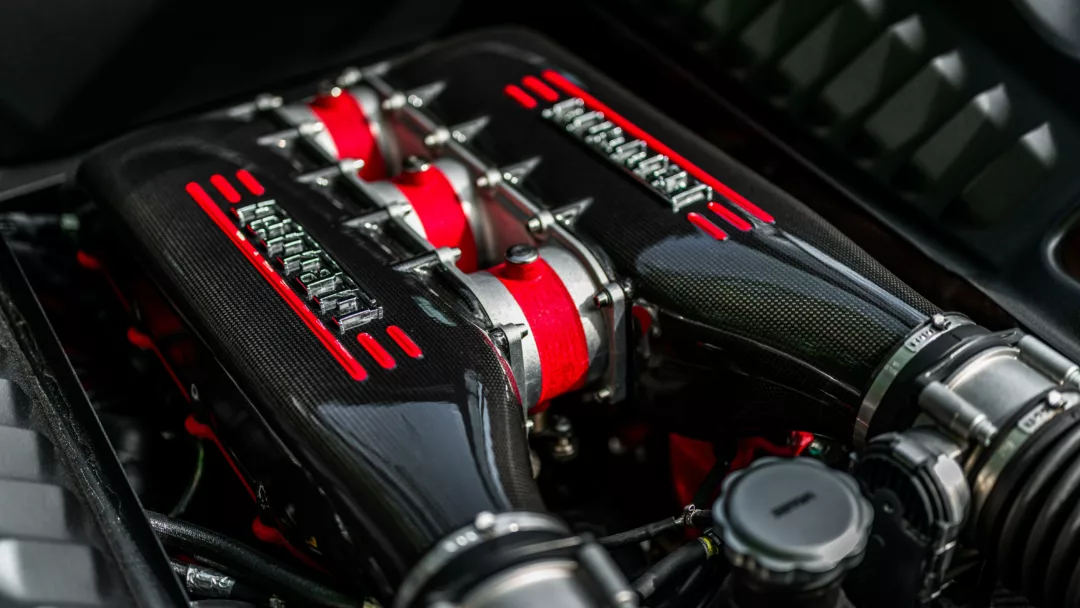
1. Your engine sounds louder or different
You know your car better than anyone. If you start hearing knocking, grinding, or rumbling noises that weren’t there before, it’s often a sign your engine isn’t being lubricated properly.
Oil cushions and protects moving engine parts. When it becomes old or breaks down, friction increases — and so does noise. Staying on top of oil changes helps prevent premature engine wear and those worrying sounds.
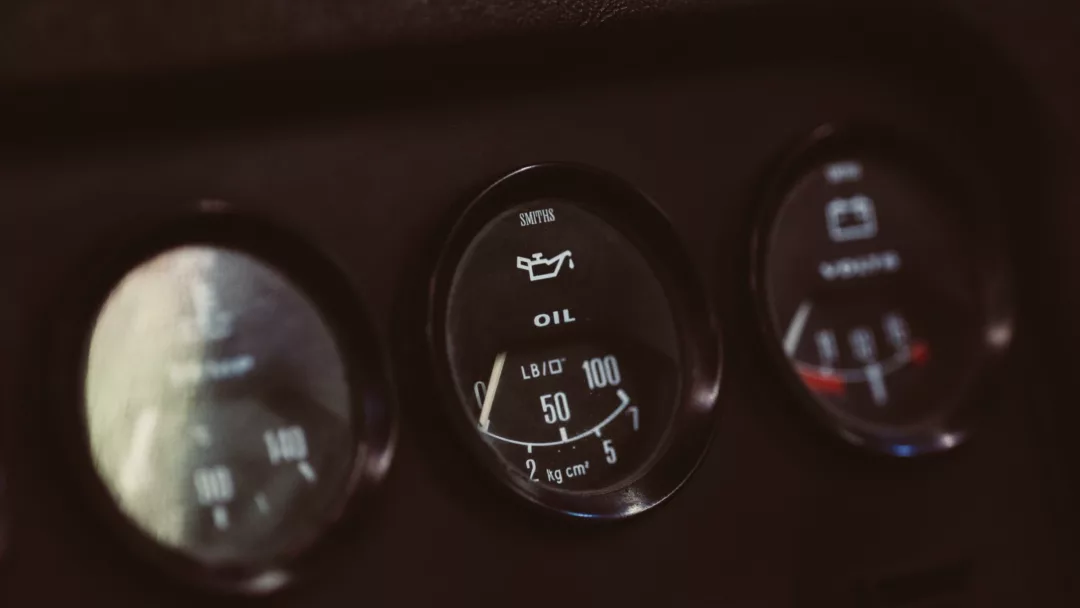
2. The oil warning light comes on
This is the most obvious sign something needs attention. If the oil warning light appears on your dashboard, it means your engine may not have enough oil pressure to operate safely.
If this happens:
-
Pull over safely
-
Switch the engine off
-
Check the oil level using the dipstick
Driving with the oil warning light on can cause serious engine damage in a very short time.
For more information on warning lights, here are some warning lights that you should never ignore.
3. Your oil looks dark and dirty
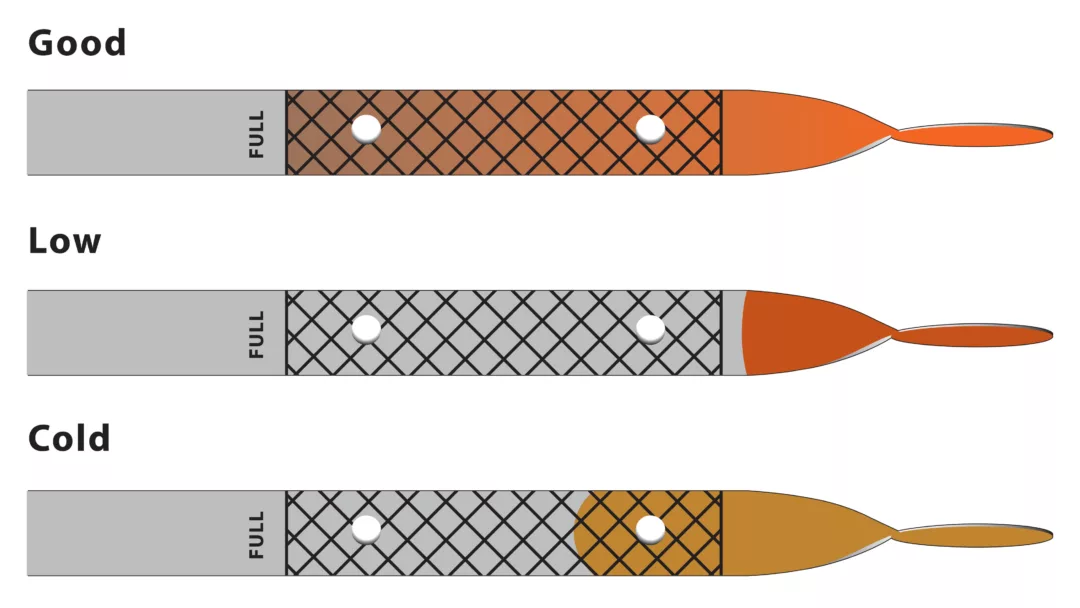
Fresh engine oil is usually a light amber colour and slightly translucent. Over time, it collects dirt, debris, and combustion by-products.
If the oil on your dipstick looks:
-
Thick
-
Black
-
Opaque
…it’s time for an oil change.
When checking, always wipe the dipstick clean, reinsert it fully, then pull it out again. If you can’t clearly see the dipstick markings through the oil, it’s overdue.
If you’re unsure about the checking process itself, you may find how to check your oil level helpful.
4. You’ve covered a lot of miles since the last change
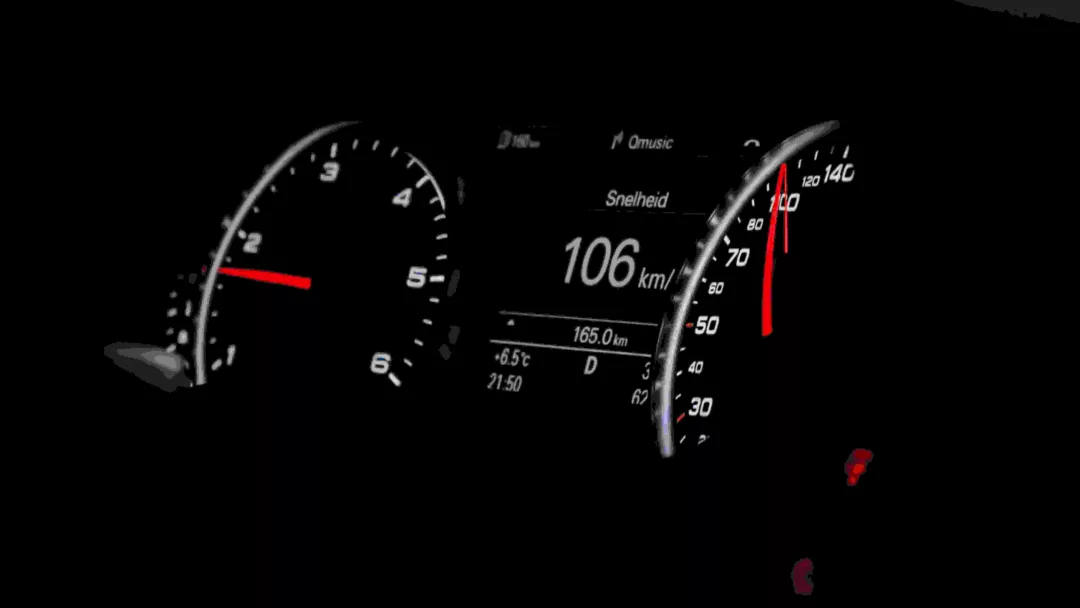
Mileage is still one of the most reliable indicators. As a general guide:
-
Older cars: every ~3,000 miles
-
Newer cars: 5,000–6,000 miles or more
That said, always follow your manufacturer’s handbook. Driving style, short journeys, towing, and stop-start traffic can all shorten oil life.
If you’ve been clocking up miles quickly, it may be time to change your oil sooner than expected.
5. You can smell oil inside the car
Oil smells inside the cabin are not normal. A burning oil smell may indicate:
-
An oil leak
-
Overheating oil
-
Oil spilling onto hot engine components
Old oil loses its ability to regulate temperature, which can cause overheating and burning smells. If you notice this, check your oil level and condition as soon as possible and avoid driving until it’s addressed.

6. The oil consistency feels gritty
Oil condition isn’t just about colour — texture matters too.
Rub a small amount of oil between your fingers:
-
Gritty or grainy = contaminated, needs changing
-
Smooth and slippery = likely still serviceable
Contaminants in oil accelerate engine wear, so if it feels rough, replacement is the safest option.
How quickly should you change your oil?
Once the signs appear, it’s best not to delay. Using the correct oil type and keeping it fresh helps:
-
Reduce engine wear
-
Improve performance
-
Prevent expensive repairs later
If your car is ageing or maintenance costs are stacking up, it may also be worth considering whether ongoing servicing is still worthwhile — or whether it’s time to sell your car instead. Jamjar lets you compare offers from trusted UK buyers without committing to repairs first.
Final thoughts
Oil changes are simple, affordable, and one of the most effective ways to extend your engine’s life. Paying attention to sound, smell, appearance, and mileage helps you catch issues early — before they become costly problems.
Staying proactive with maintenance keeps your car reliable and protects its value, whatever you decide to do next.

