
There’s no hard and fast rule when it comes to how mileage affects a car. Some vehicles will give up the ghost at 60,000 miles, while others keep running well into the 100,000s without major issues.
That said, as mileage increases, a car’s market value typically decreases — so it’s sensible to start weighing up your options as the miles begin to rack up.
If you’re wondering whether it’s time to move on, you can explore your options to scrap your car and see what it could still be worth.
Does mileage actually affect the scrap value of my car?
Generally speaking, mileage won’t directly affect the scrap value offered by an authorised treatment facility. These buyers usually assess a vehicle based on factors such as:
-
Weight
-
Overall condition
-
Presence of major components (engine, catalytic converter, gearbox, etc.)
Mileage doesn’t normally feature in the calculation.
However, mileage does indirectly influence condition — which can affect your broader options beyond pure scrap value.
Major parts & the car’s condition
Some scrap buyers may purchase your car with the intention of repairing it and reselling it, stripping it for usable parts, or processing it purely as scrap metal.
If you own a sought-after model, you might be offered an alternative deal rather than simply scrapping it. In these cases, mileage can become more relevant, as it acts as a general indicator of wear on internal components.
Higher mileage vehicles are less likely to qualify for resale or parts value beyond scrap weight — particularly if major components are nearing the end of their lifespan.
It’s worth noting that “sought after” doesn’t necessarily mean premium or expensive. Popular small cars in decent condition can be valuable for parts alone.
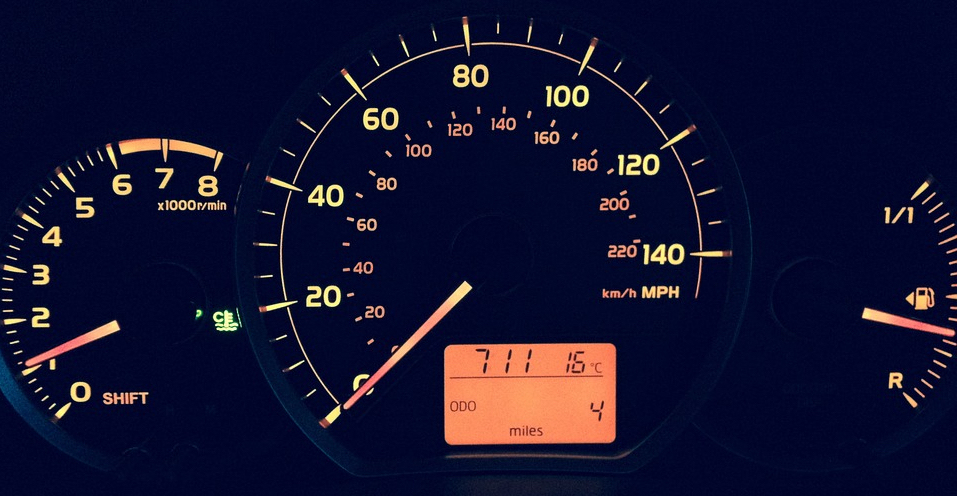
Mileage & roadworthiness
If your car is no longer roadworthy, this will usually be far more important than the mileage itself. Buyers will focus on:
-
Whether the car can be transported safely
-
Whether major components are intact
-
Whether the vehicle is a complete write-off
For example, if your car has already failed its MOT, the cost of repairs may outweigh its value. In that situation, it’s helpful to understand your options — particularly if you’re deciding between repairing or disposing of the vehicle. Our guide on what to do if your car fails its MOT explains this in more detail.
Should I sell instead?
Another key consideration is whether your car still holds enough value to sell rather than scrap.
Mileage plays a bigger role here. Higher mileage generally reduces resale value, but it doesn’t automatically mean scrapping is your only option.
Running a quick valuation can help you compare the difference between resale and scrap offers — especially if the car is still mechanically sound.
If you’re unsure where to start, our Car Scrapping Guidance hub covers a range of practical advice to help you decide when it makes financial sense to repair, sell, or scrap.
Jamjar.com makes selling or scrapping your car quick, easy, and hassle-free. By comparing offers from a trusted network of UK buyers, you can see competitive quotes without the stress of negotiating or haggling. There are no hidden fees, no obligation to sell, and the entire process is 100% online — helping you make the right decision based on your car’s mileage, condition, and value.

