
Cars have changed considerably over the years — and so has the way their service history is recorded.
For decades, the familiar stamped service book sitting in the glovebox was one of the easiest ways to see whether a car had been maintained regularly. Today, many manufacturers record servicing electronically instead, while independent garages may provide invoices, receipts or their own service records.
So, do physical service books still matter?
Yes — they can.
But a service book is now best thought of as one part of a car’s wider service and maintenance history, rather than the only record that matters.
A well-organised history can help you understand what has been done to your car, remember important maintenance and provide useful evidence when the time eventually comes to value or sell it.
If you want to build a clearer picture of your car’s history, our Service History & Vehicle Records hub brings together jamjar’s guidance on service records, maintenance evidence and keeping your vehicle’s history organised.
What is a car service book?
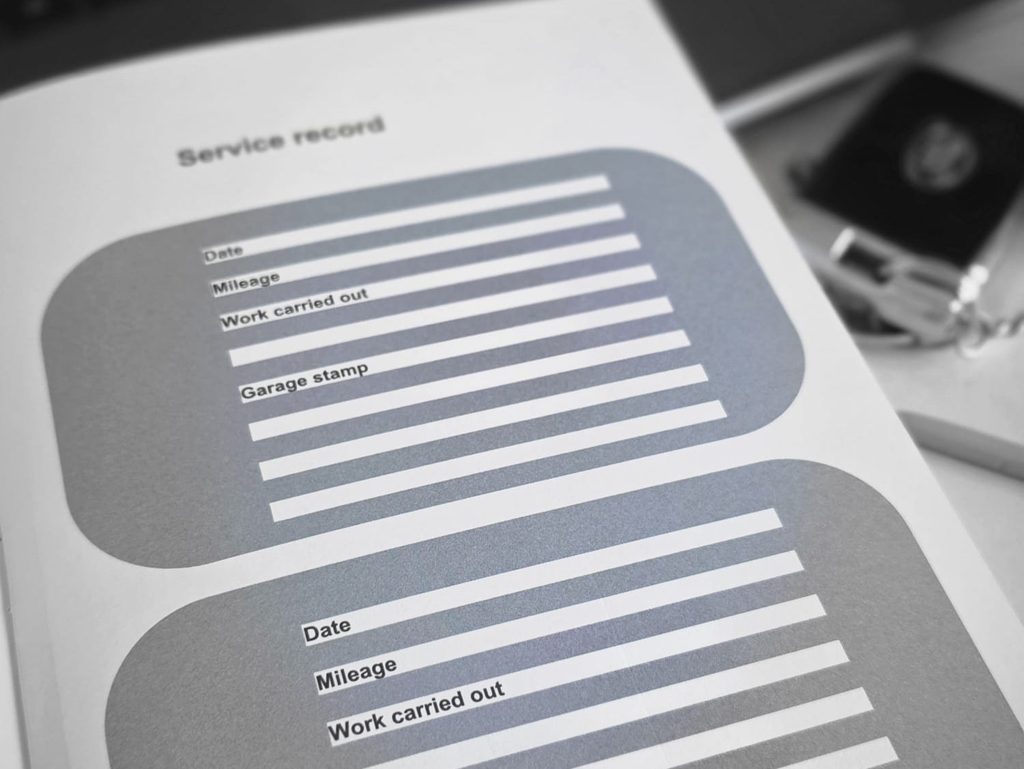
A car service book is a record of servicing and maintenance carried out during the vehicle’s life.
Traditionally, the garage completing a service would enter information such as:
- the date of the service
- the vehicle’s mileage
- the type of service carried out
- the garage or technician responsible
- a stamp or other confirmation of the work
Over time, those entries create a chronological record showing how regularly the vehicle has been maintained.
However, the traditional stamped book is no longer the whole story.
Haven’t digital service records replaced service books?
On many newer cars, manufacturers have moved some or all servicing records onto digital systems.
That doesn’t necessarily make physical records pointless.
A car’s maintenance evidence can come from several places:
Manufacturer digital service records may show work recorded within the manufacturer’s system.
A physical service book can provide an easy-to-follow record of servicing and mileage.
Garage invoices and receipts can show exactly what work was carried out and which parts were replaced.
MOT history provides another useful dated record of the vehicle’s mileage and roadworthiness testing.
These records can complement one another.
There is no single UK database containing every service carried out on every car, so keeping your own records can still be useful — particularly where work has been completed by different garages during the vehicle’s life.
If you’re unsure which documents actually count, we’ve explained what can be used as proof of a car’s service history, including service books, garage invoices, receipts and digital records.
Why can keeping your own service records still be useful?
Even where a manufacturer keeps a digital service record, maintaining your own record can make it easier to keep track of everything that has happened during your ownership.
A useful vehicle history is not limited to routine servicing. It can also include repairs, replacement parts, MOT work and other maintenance carried out over time.
Keeping this information together can help you:
- remember when important work was completed
- keep track of mileage at each service
- record which garage carried out the work
- retain details of repairs and replacement parts
- build a clearer history to pass on to a future owner
This becomes particularly useful as a car gets older, changes garages or moves between owners.
A physical service book therefore does not need to replace digital records. It can sit alongside them as part of a more complete vehicle history.
The next step is keeping all that evidence somewhere you can actually find it. Our guide to organising your car’s service and maintenance records explains a simple way to keep service books, invoices, receipts and digital records together.
Does a service book help when selling a car?
A well-documented service history can be useful when the time comes to sell your car.
Prospective buyers will often want to understand how regularly a vehicle has been maintained and whether important work has been carried out. A collection of service records, invoices, receipts and MOT information can help provide that evidence.
A service book can make part of that history particularly easy to follow because servicing dates, mileages and garage details can be seen chronologically.
However, the book itself is not what determines a car’s value.
The overall condition of the vehicle, age, mileage, specification, market demand and the quality of the supporting maintenance history can all play a part.
So, do service books still matter?
Yes — but their role has changed.
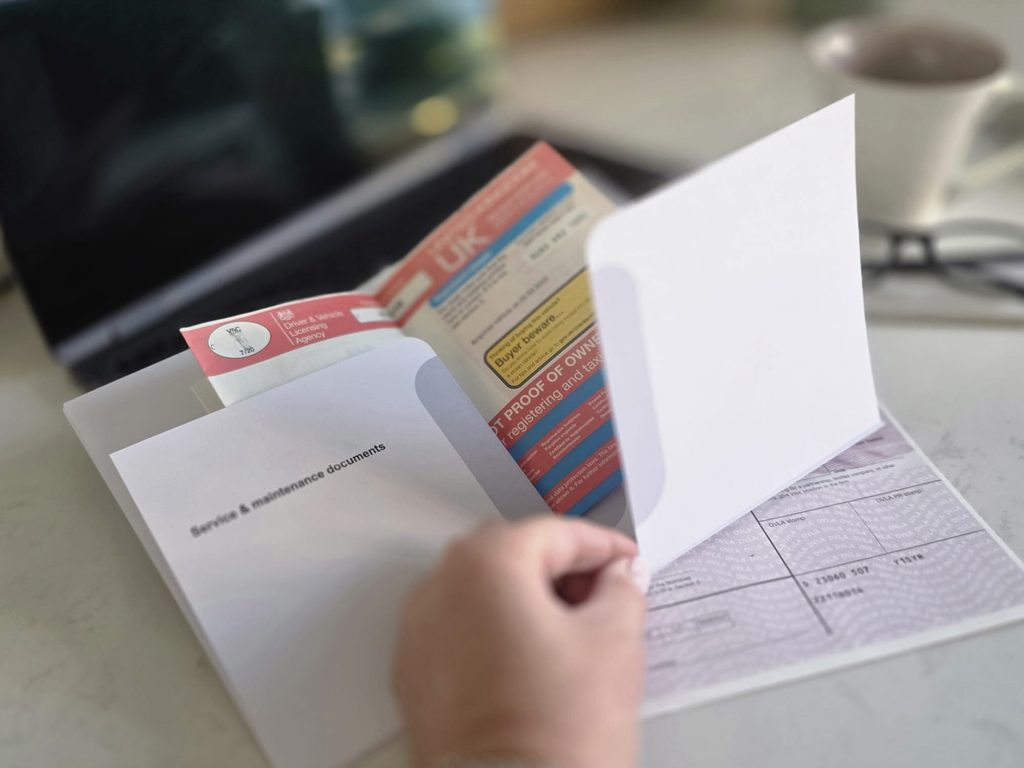
A traditional stamped service book is no longer necessarily the complete record of a car’s maintenance history. Manufacturer digital records, garage invoices, receipts and MOT information can all contribute valuable evidence.
For many owners, however, keeping a physical record remains a simple way of bringing important servicing information together.
The strongest approach is not to think of physical and digital records as competing systems.
Keep as much evidence as you reasonably can.
A clear combination of service records, invoices, receipts and other maintenance documentation can make it easier to understand your car’s history while you own it — and easier to explain that history when you eventually sell it.