Looking after a car is only part of good vehicle ownership. Keeping a clear record of what has happened to it can be just as important.
Services, repairs, replacement parts, MOTs, garage invoices and maintenance records gradually tell the story of how a vehicle has been cared for throughout its life.
The problem is that those records are often scattered between service books, garage systems, email inboxes, receipts and paperwork. The jamjar Service History & Vehicle Records hub is designed to help you understand what records matter, how to keep them, how to recover missing information and why your vehicle’s history can become important when you eventually value or sell the car
Understand your car's service history
A service history is more than a collection of garage stamps.
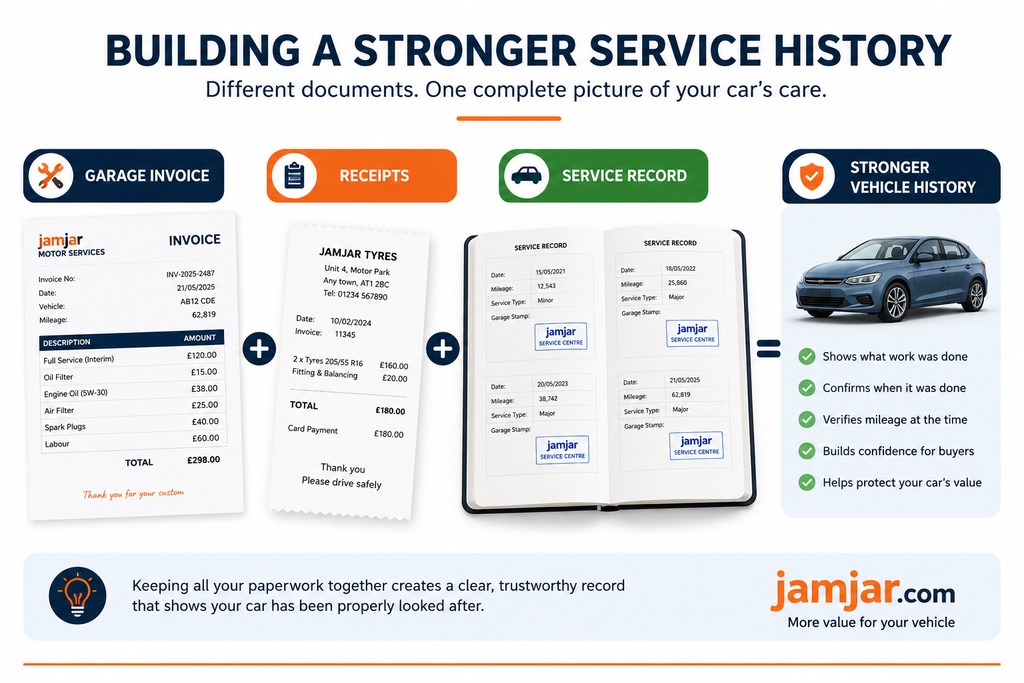
It can include physical service-book entries, garage invoices, receipts, manufacturer records and digital service information. Together, those records can help establish when a vehicle was maintained, what work was carried out and its mileage at the time.
What Is a Full Service History?
A full service history can contain much more than a stamped book. It may combine physical and digital records, invoices and other evidence accumulated throughout the vehicle’s life.
Traditional service books haven’t necessarily become irrelevant simply because some manufacturers and garages now use digital records.
Our guide to whether car service books still matter explains the role a physical service record can still play in keeping a clear history of your vehicle.
Prove what has happened to your car
Keeping records is useful. Being able to demonstrate what those records actually prove is even better.
A service book, garage invoice, receipt or digital record can each provide different evidence about a vehicle’s history.
Good vehicle history becomes much easier to maintain when you record information as it happens.
Rather than trying to reconstruct years of servicing and maintenance when you eventually sell the car, keeping one simple chronological record allows the history to build throughout your ownership.
You don’t need a perfect collection of paperwork to start keeping better vehicle records.
Begin with what you have.
Keep future servicing and maintenance evidence. Record dates and mileages. Save useful invoices and receipts. Make sure important information doesn’t disappear simply because it was left in the glovebox or buried in an email inbox.
Over time, those individual records can build a much clearer picture of your vehicle’s life.
A simple way to keep your service history together
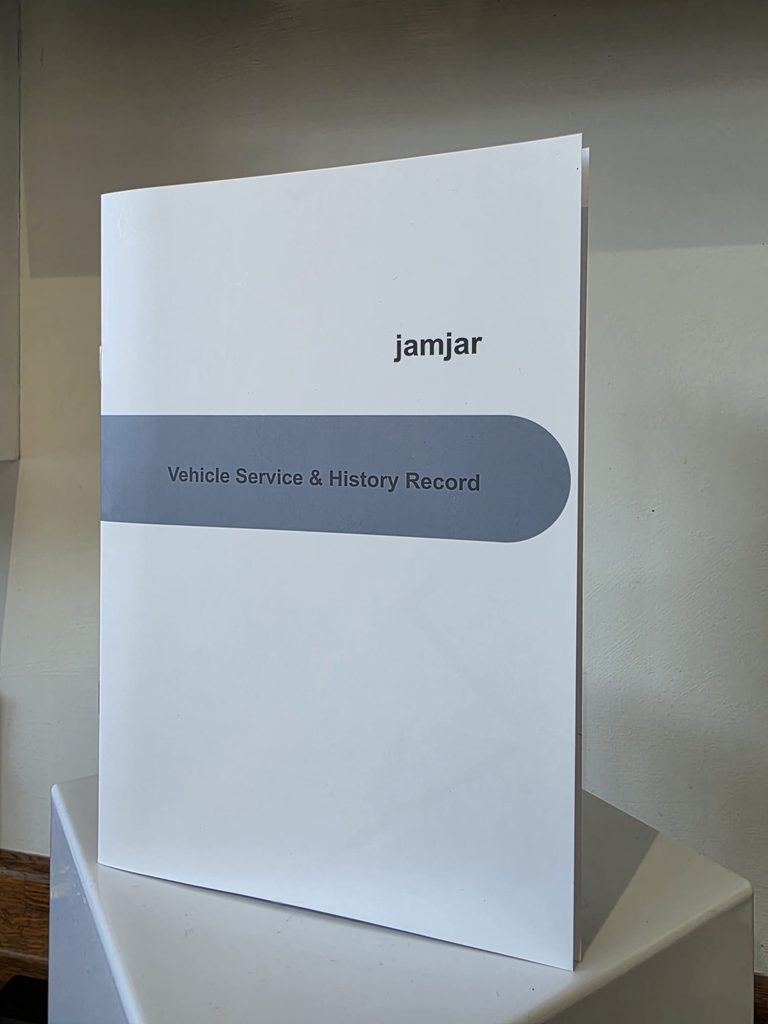
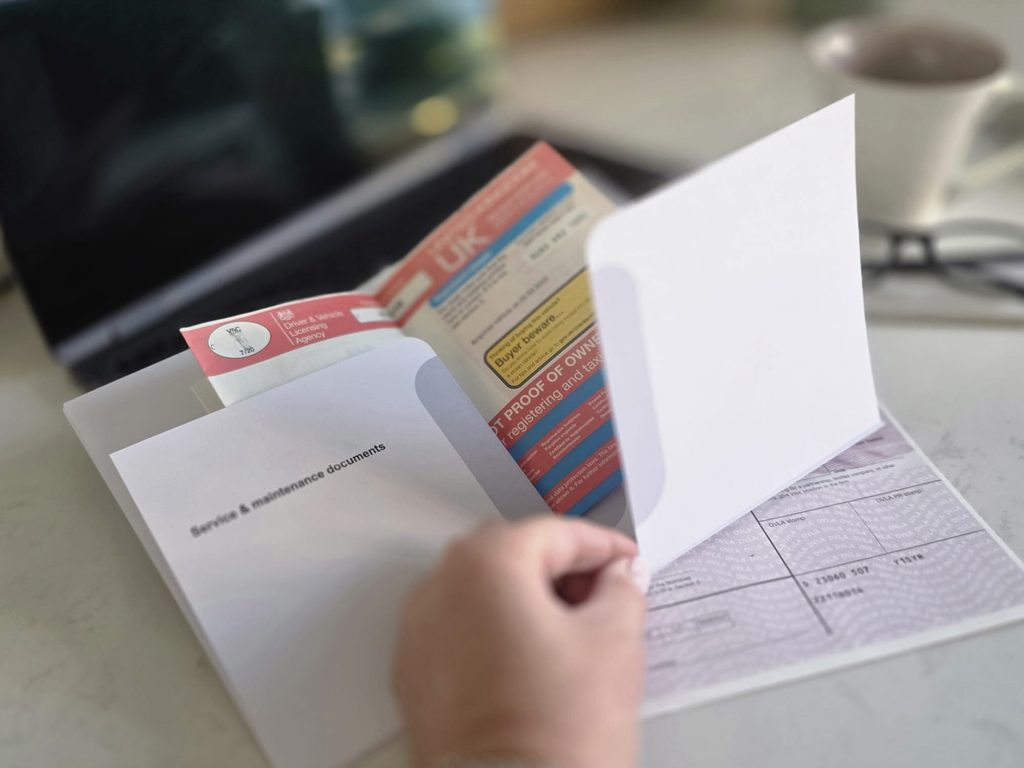
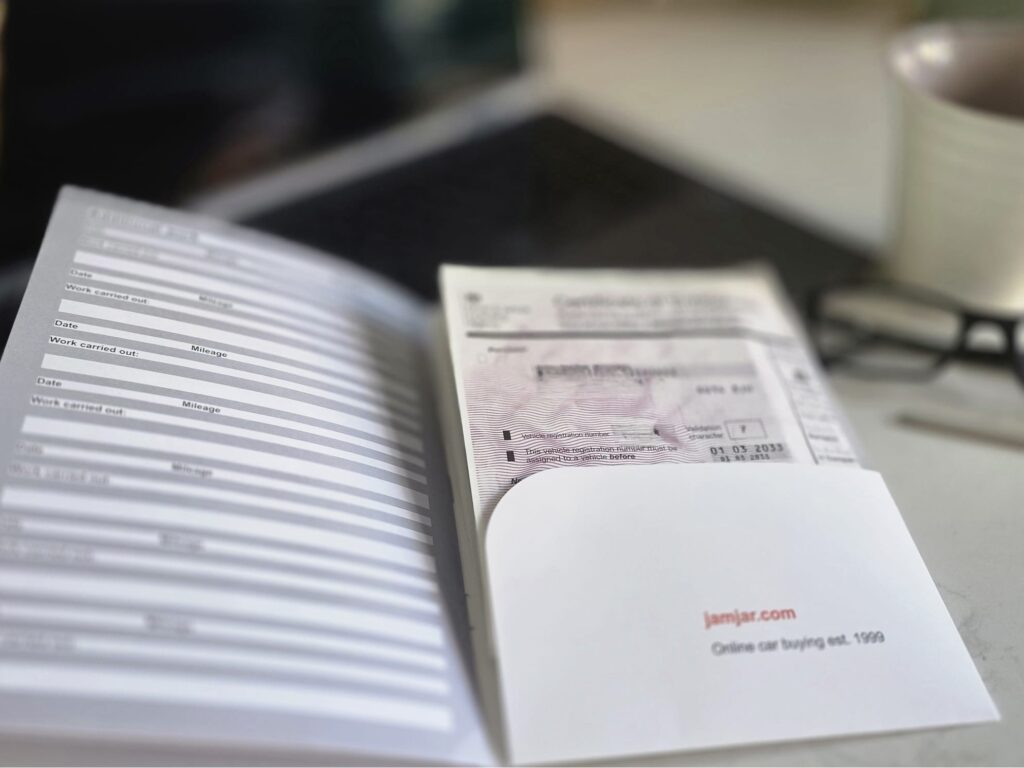
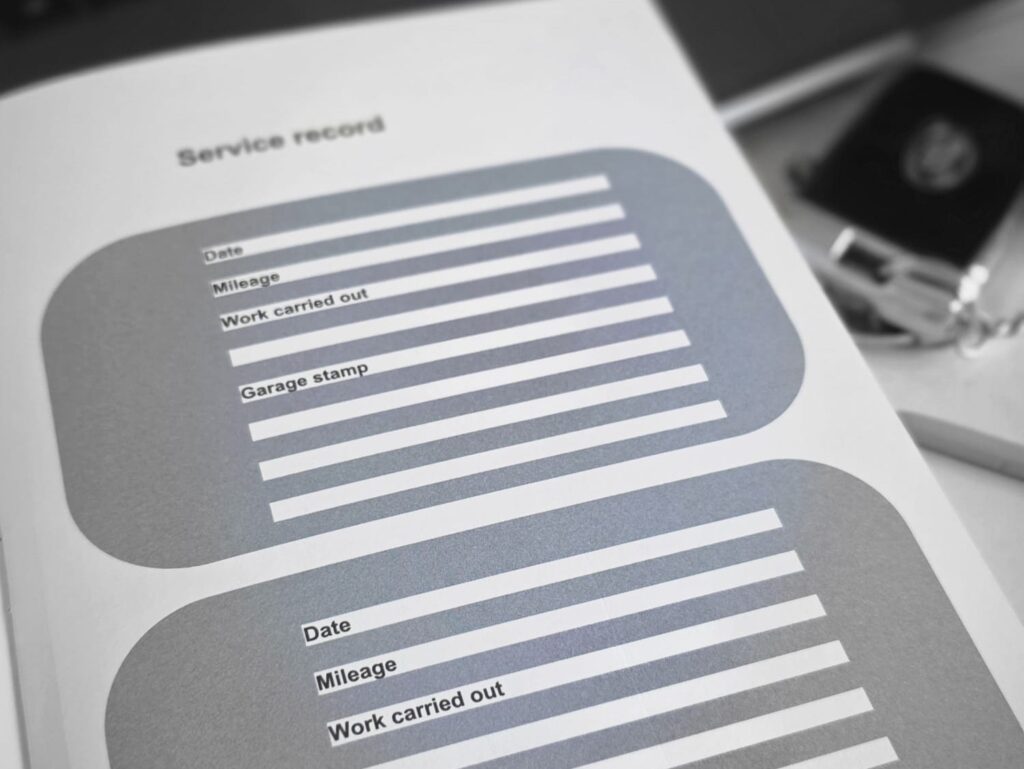
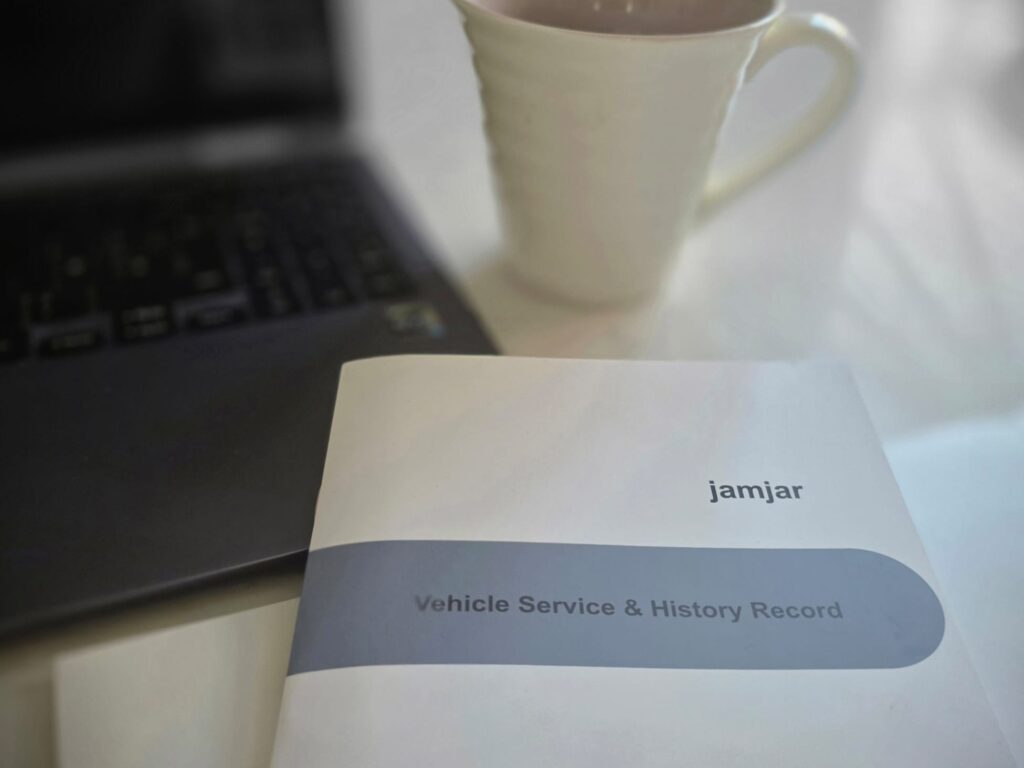
If you’d prefer one simple place to record your vehicle’s servicing and maintenance, we created the jamjar Vehicle Service & History Record for exactly that purpose
Record work as it happens, keep the important details together and retain the supporting invoices and receipts that help demonstrate your vehicle’s history.