
Did you know you can powder coat parts of your car, including the wheels? Powder coating doesn’t just improve how your car looks — it also protects metal components from wear, corrosion, and everyday damage.
In this guide, we’ll explain what powder coating is, why drivers choose it, which car parts benefit most, and whether it’s worth doing depending on your long-term plans for the vehicle.
If you’re exploring ways to maintain or improve your car, you’ll find more practical advice in our car maintenance guidance hub.

What is powder coating?
Powder coating is a durable finishing process used to protect metal surfaces. Originally developed in the 1950s as a less toxic alternative to traditional liquid paint, it’s now widely used across many industries — including automotive.
Instead of liquid paint, powder coating uses a dry pigment that’s electrostatically applied to metal and then cured under heat. The result is a hard, even finish that’s resistant to chips, scratches, corrosion, and general wear.
You’ll often find powder coating on items like appliances, industrial equipment, and car parts such as wheels, suspension components, and brake hardware.
What is the purpose of powder coating?
Powder coating is primarily used to protect bare metal while improving appearance. When applied correctly, it creates a tough outer layer that resists:
-
Road dirt and grime
-
Brake dust
-
Moisture and corrosion
-
Minor impacts and scratches
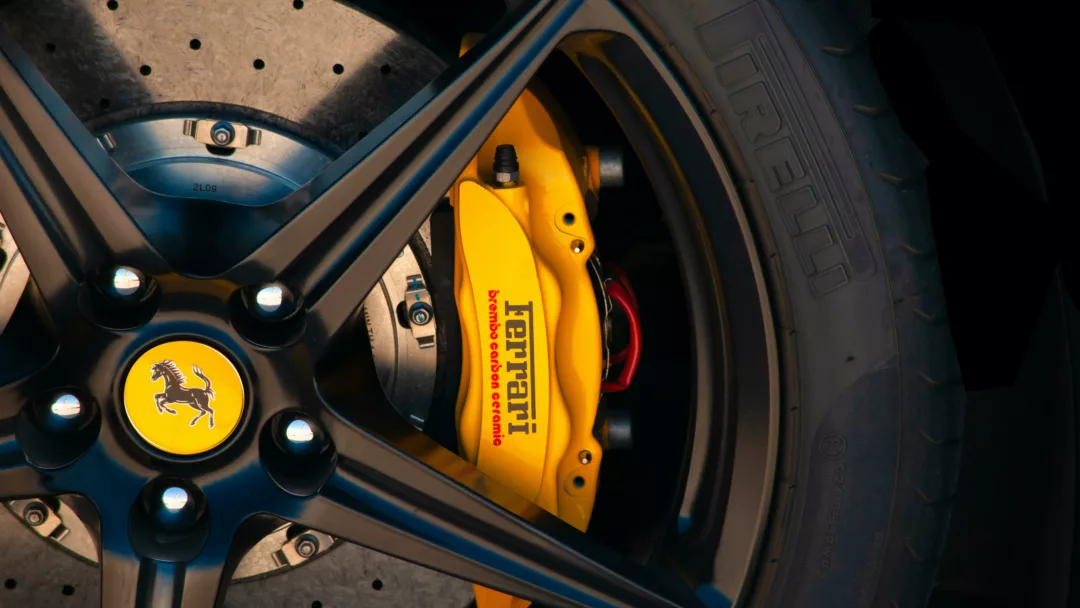
For many drivers, wheels are the most popular parts to powder coat. Thanks to its durability and low maintenance, powder coating helps wheels stay looking cleaner for longer.
Why powder coat your car parts?
Like any modification or maintenance decision, powder coating has pros and cons. Some of the key benefits include:
Durability
Once cured, powder coating becomes one of the most resilient surface finishes available. It stands up well to heat, chemicals, and general road abuse, making it ideal for exposed components.
Environmentally friendly
Powder coating doesn’t rely on solvents or thinners and produces very little waste. Compared to traditional paints, it’s a more environmentally responsible option.
Cost-effective
Because overspray can often be reused and there’s minimal clean-up involved, powder coating can be more affordable over time than repainting — especially for wheels and accessories.
Which car parts can be powder coated?
Powder coating can be applied to a wide range of metal components, depending on your goals.
Wheels and rims
Alloy wheels are one of the most common parts to powder coat. A quality finish can dramatically refresh their appearance while protecting them from kerb damage, brake dust, and corrosion.
Under the bonnet
Certain engine bay components, such as brackets or engine covers, can be powder coated for both protection and style. However, it’s important to avoid parts exposed to extreme heat unless the coating is specifically rated for it.
If you’re already working under the bonnet, you may also find it useful to read how to check your oil level to keep your engine running smoothly.
Accessories
Roof racks, bed rails, tow bars, and other metal accessories are excellent candidates for powder coating. The finish often looks cleaner and lasts longer than standard spray paint while offering better rust protection.
Is powder coating worth it before selling a car?
Powder coating can improve appearance and durability, but it doesn’t always increase resale value enough to justify the cost — especially on older vehicles. Cosmetic upgrades are often best done if you plan to keep the car, rather than sell it.
If you’re thinking about moving on, it may be more cost-effective to skip cosmetic work and sell your car as it is. Jamjar lets you compare offers from trusted UK buyers without the hassle of private listings or negotiations.
Final thoughts
Powder coating has been around for decades and remains a popular option for drivers who want a durable, professional finish on their car parts. It’s especially effective for wheels and accessories, offering long-lasting protection with minimal upkeep.
That said, if your car is nearing the end of its ownership journey, it’s worth weighing up whether cosmetic improvements are the best investment — or whether selling makes more financial sense.

