
Replacing a clutch is one of the more complex mechanical jobs on a car. While many drivers experience clutch issues during ownership, changing a clutch is not a routine maintenance task and usually requires specialist tools, experience, and safe lifting equipment.
This guide explains what clutch replacement involves, why it’s considered a major repair, and how clutch condition affects ownership decisions.
For more general upkeep advice, visit our car maintenance guidance hub.
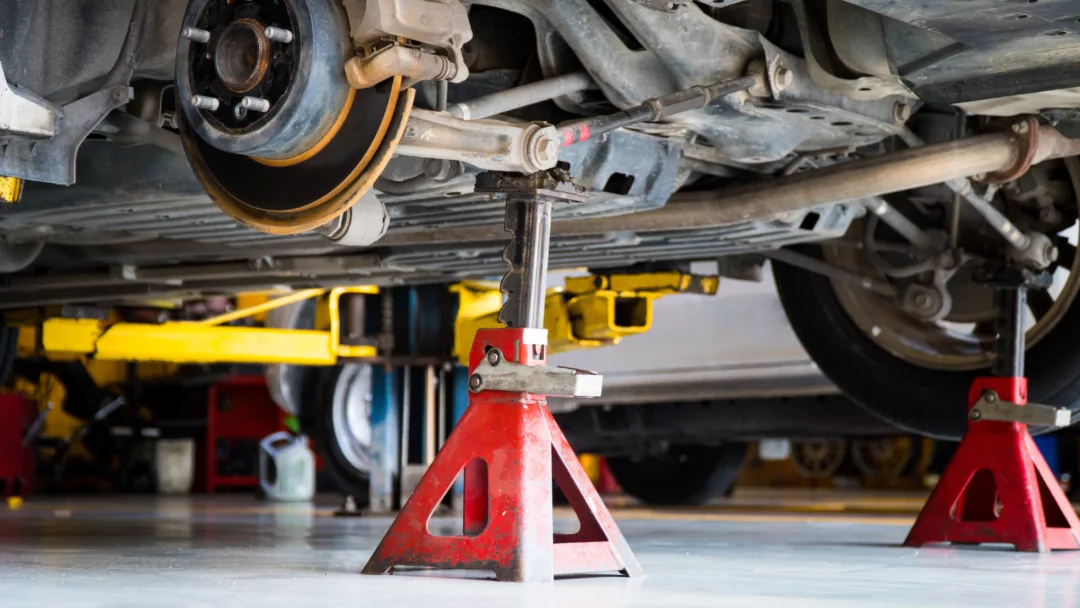
Important safety note
Modern clutch components do not contain asbestos, but clutch dust and debris can still be harmful if inhaled. Clutch replacement involves working underneath the vehicle, removing major drivetrain components, and handling heavy parts.
For most drivers, clutch replacement is not recommended as a DIY job due to safety risks and the likelihood of costly mistakes.
What’s involved in replacing a clutch
Changing a clutch typically requires:
-
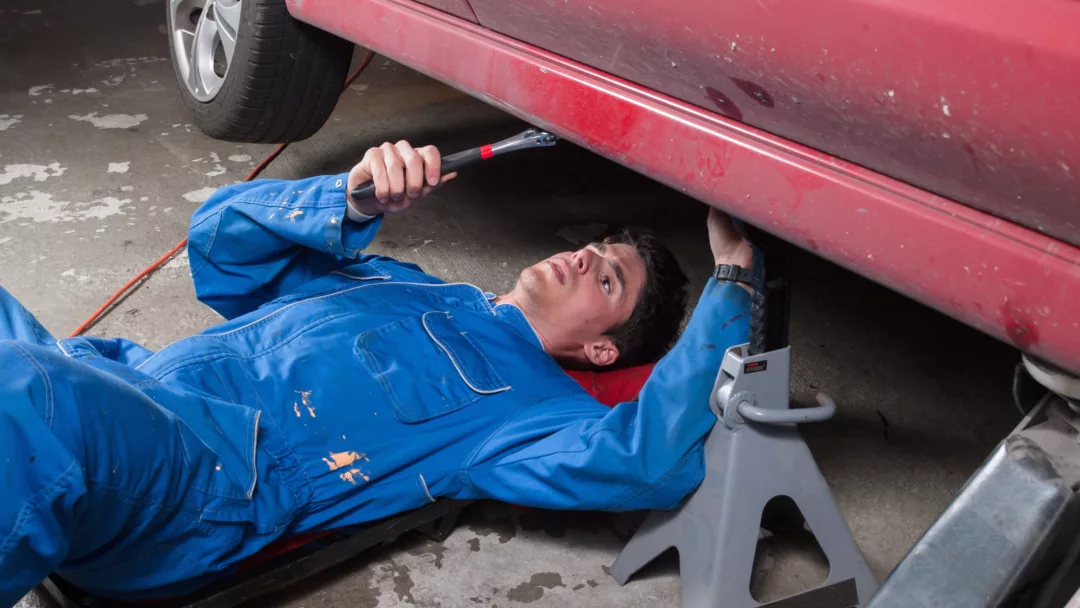
Raising and securely supporting the vehicle
-
Removing the gearbox or transaxle
-
Separating the clutch assembly from the flywheel
-
Inspecting related components such as the flywheel and release bearing
-
Reinstalling and aligning new parts correctly
Even small alignment errors can cause vibration, noise, or premature failure.
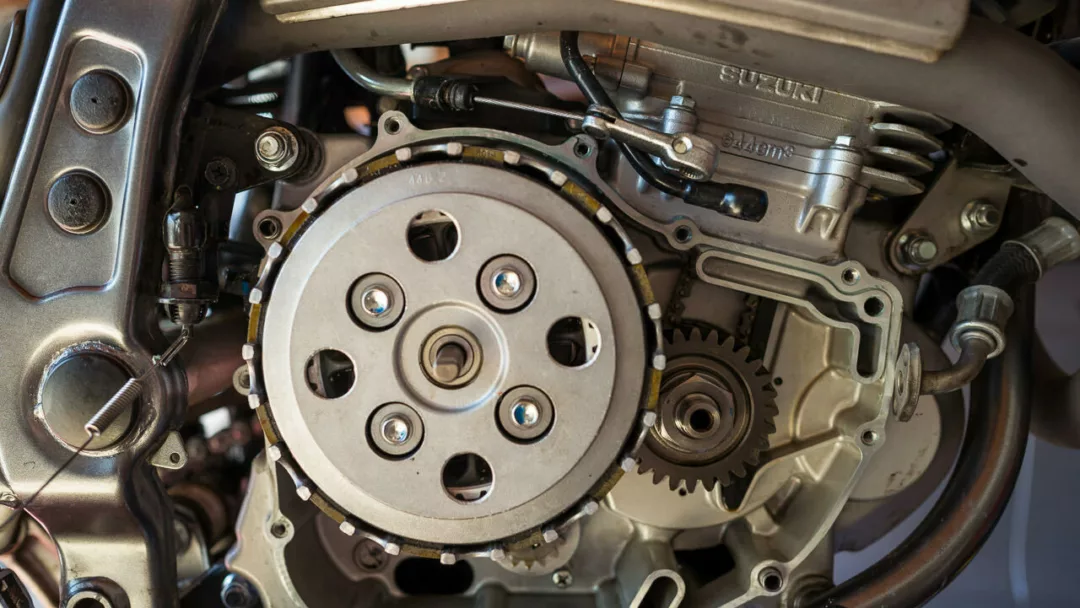
Inspecting clutch wear and flywheel condition
A worn clutch disc usually shows:
-
Reduced friction material
-
Rivets close to the surface
-
Signs of slipping
Flywheels are checked for:
-
Heat spots
-
Cracks
-
Warping
If the flywheel is damaged, replacing only the clutch may cause noise or judder. This is why clutch replacements often become more expensive than expected.
Why clutch replacement affects car value
A failing clutch can:
-
Reduce buyer confidence
-
Lower valuations
-
Delay or complicate a sale
Because clutch replacement is costly, buyers often deduct repair costs rather than pay more for a car with recent work. This is covered further in our guide on car repairs that aren’t worth doing before selling.
When clutch replacement may not make financial sense
Replacing a clutch may not be worthwhile if:
-
The car has very high mileage
-
Other major repairs are also needed
-
Repair costs approach the car’s value
In these situations, some owners choose to sell rather than invest further. If repair costs are mounting, it may be more practical to sell your car instead of carrying out major mechanical work. If this is the case, and you want to find out the value of your car first, we can always help you with that here.
How long a clutch typically lasts
Clutch lifespan varies widely, but many last between 30,000 and 100,000 miles, depending on:
-
Driving style
-
Vehicle type
-
Load and usage conditions
Stop-start driving and heavy loads tend to reduce clutch life.
Key takeaway
Clutch replacement is a major repair that requires expertise and proper equipment. While understanding the process is useful, most drivers are better served by assessing whether repair costs make sense for the vehicle’s age and value before proceeding.

