


Only 11 UK hydrogen fuel stations
Hydrogen fuel stations form part of the UK’s developing low-emission transport infrastructure. These stations are designed specifically to refuel hydrogen fuel-cell vehicles (FCEVs), offering an alternative to battery-electric vehicles (BEVs).
While the hydrogen network remains limited compared to petrol, diesel or electric charging infrastructure, it plays a role in the wider discussion about the future of low-carbon transport.
If you’re exploring different vehicle technologies and ownership considerations, our car maintenance guidance hub provides practical information to help you understand your options.
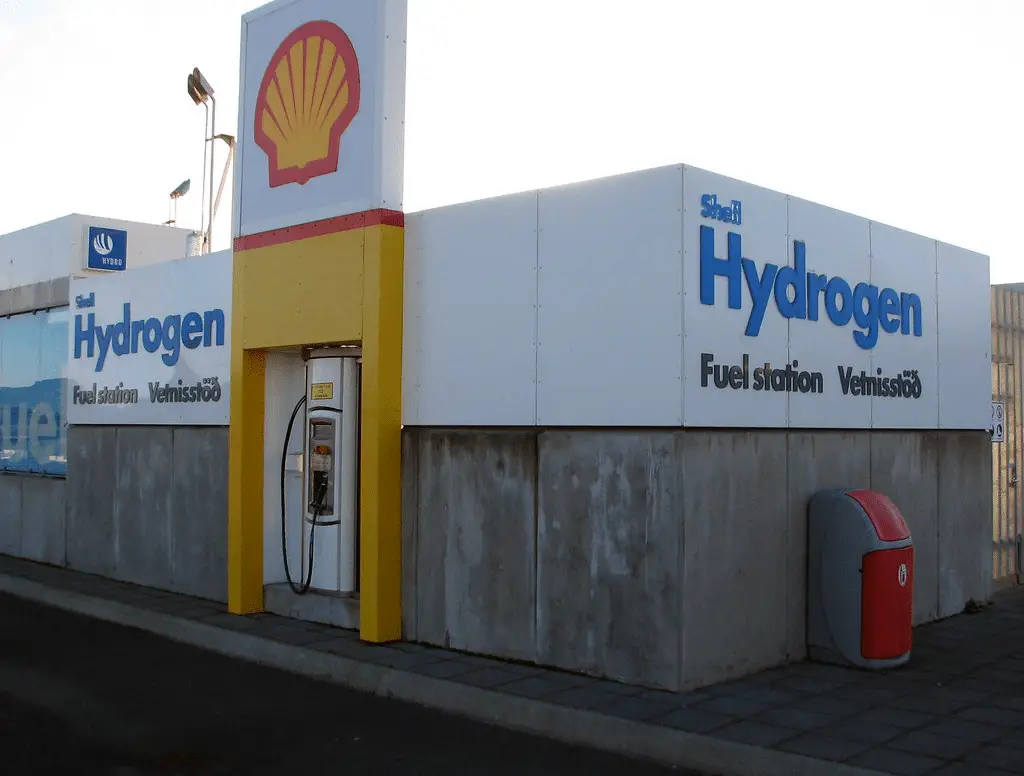
What are hydrogen fuel stations designed for?
Hydrogen fuel stations allow drivers of hydrogen fuel-cell vehicles to refill with compressed hydrogen gas.
Hydrogen fuel-cell vehicles generate electricity through a chemical reaction between hydrogen and oxygen. The electricity powers an electric motor, and the only direct by-product at the tailpipe is water vapour.
Refuelling is typically quicker than charging a battery-electric vehicle, and ranges can be comparable to conventional petrol or diesel cars. However, hydrogen infrastructure is currently far more limited in the UK.
How does a hydrogen fuel-cell car work?
A hydrogen fuel-cell vehicle (FCEV):
- Stores hydrogen gas in high-pressure tanks.
- Feeds hydrogen into a fuel cell stack.
- Combines hydrogen with oxygen from the air.
- Produces electricity to power an electric motor.
Unlike conventional internal combustion engines, there is no combustion process in a fuel-cell system. Some hydrogen technologies also explore hydrogen combustion engines, but these differ from fuel-cell vehicles.
How many hydrogen fuel stations are in the UK?
The number of hydrogen refuelling stations in the UK remains relatively small compared to other fuel types. Only a limited number are open to the public, and most are concentrated in specific regions.
Because infrastructure is still developing, access to refuelling can be a key consideration for potential hydrogen vehicle owners.
Is hydrogen fuel renewable?
Hydrogen itself is an energy carrier rather than a primary energy source. Its environmental impact depends on how it is produced.
- Green hydrogen is produced using renewable electricity through electrolysis.
- Blue hydrogen is produced from natural gas with carbon capture.
- Grey hydrogen is produced from fossil fuels without carbon capture.
Hydrogen vehicles can offer low tailpipe emissions, but overall sustainability depends on the production method and supply chain.
How much do hydrogen cars cost?
Hydrogen vehicles are currently produced in relatively small numbers, which can make them more expensive than many petrol, diesel or battery-electric alternatives.
Refuelling costs vary depending on supply and infrastructure. As with many emerging technologies, pricing and availability may evolve as the market develops.
Advantages of hydrogen fuel
Some potential benefits include:
- Zero tailpipe emissions (water vapour only)
- Fast refuelling times
- Driving ranges comparable to conventional vehicles
- Potential compatibility with renewable energy production
Disadvantages of hydrogen fuel
Challenges currently include:
- Limited refuelling infrastructure
- Higher vehicle costs
- Energy losses during hydrogen production
- Storage and transportation complexity
These factors mean hydrogen vehicles currently represent a niche part of the UK market.
Can you run a petrol car on hydrogen?
A standard petrol car cannot directly run on hydrogen without significant modification. Hydrogen fuel-cell vehicles use a different system entirely, involving electric motors powered by fuel cells rather than internal combustion engines.
Final thoughts
Hydrogen fuel stations are part of the UK’s broader transition towards lower-emission transport. However, limited infrastructure and higher costs mean adoption remains relatively low compared to battery-electric vehicles.
As technology develops and investment increases, the role of hydrogen may become clearer within a multi-fuel transport future. Honda and GM have been quietly advancing the technology already.
If you’re reviewing your current vehicle or considering switching to a different technology, you can check your car’s current market value through our sell my car service.
Understanding your vehicle’s value can help you plan your next steps more confidently.


