Vehicle Valuation Guidance
Knowing what a vehicle is really worth makes every next step simpler.
This hub explains how valuations are calculated, what influences pricing up or down, and how to arrive at a fair, realistic figure you can trust — regardless of vehicle type.
Ready to check a current valuation?
How valuations work
If you want to see how these principles apply to your own vehicle, you can start with a free car valuation to understand what your car or van may be worth in today’s market.
A valuation is an estimate based on what similar vehicles are selling for in the current market, adjusted for the details that influence demand.
This applies across cars, vans, and end-of-life vehicles, and typically takes into account factors such as age, mileage, condition, specification, history, and current market behaviour.
Why online prices vary
Different services use different data sources and assumptions. Some focus on trade buying prices, some reflect private sale listings, and some blend both — that’s why two “valuations” can look miles apart.
Different valuation perspectives
Trade / dealer value: what a business may pay, factoring in prep costs, warranty risk and resale margin.
Private sale value: what a private buyer might pay, often higher — but usually takes longer and needs more effort.
- If you’re comparing valuation types to decide on next steps, our selling guidance explains how timing, buyer type, and market conditions affect outcomes.
Helpful reads:
What are your vehicle’s valuation factors?
These are the biggest levers that move your valuation — and where you should focus if you want the fairest price.
Mileage
Mileage is the clearest indicator of wear and expected future repairs. Lower mileage helps, but strong maintenance records and proof of servicing and repairs can offset higher mileage.
Service history & maintenance records
A consistent service record makes buyers more confident in your car or van’s reliability and upkeep. Missing stamps don’t always kill a valuation — but increase perceived risk.
Ownership, finance & documentation
Outstanding finance, missing paperwork, or lots of previous owners can influence buyer confidence and the final offer.
Condition (interior, exterior, tyres, warning lights)
Condition affects desirability and the cost to get your vehicle retail-ready. Chips, dents, cracked lights, worn tyres and dashboard warnings usually reduce offers because they increase prep risk.
Spec, trim & optional extras
Trim level, factory options and “desirable” features can make a noticeable difference — but only when buyers actually want them. The key is market demand, not what the option cost new.
Age & depreciation
Most cars lose value as they age — but depreciation isn’t linear. Some models stabilise later, while others continue to fall if demand drops.
Modifications
Mods can help with the right buyer but most modifications will shrink the size of the buying audience — and thus reduce value, They can also narrow demand through raising insurance/legality concerns.
Accident / damage history
Category history, structural repairs and paintwork quality can affect value. Being upfront protects trust and speeds the sale.
Regular upkeep plays a big role in valuation, and our maintenance guidance explains what actually affects a vehicle’s value.
Market timing & realism
Car, Van and Scrap prices move with supply and demand. The same vehicle can value differently across regions, seasons and even week-to-week depending on what buyers are searching for.
Two useful rules
Treat valuations as a range, not a single “perfect” number.
Focus on what you can control: presentation, records, honest description, and timing
Valuation myths & misconceptions
Myth 1 :
“My car is worth what I paid.”
Markets change over time. Age, mileage, running costs, fuel type, and buyer demand all have a bigger impact on value than the original purchase price.
Myth 2 :
“Dealers always undercut.”
A trade offer reflects preparation costs, warranty risk, and resale margin. You’re paying for speed, convenience, and certainty — not just the car or van itself.
Myth 3 :
“Online valuations are fake.”
Online valuations are estimates based on live market data. The most accurate ones explain their assumptions and adjust for your vehicle’s real condition and history.
Myth 4 :
“If I fix everything, I’ll get it all back.”
Some repairs protect value, while others cost more than they return. A “must-fix versus nice-to-fix” approach usually makes the most sense — especially when selling.
Ready to check it’s valuation?
If you want a quick, realistic view of what your vehicle could be worth today, you can check in seconds using your registration number.
No obligation. You’ll see a valuation based on today’s market. You can decide what to do next
Prefer not to enter details yet? Read our guide on valuing your car, van or scrap accurately online.
If you already know you want to sell, you can also get a free valuation here.
Once you understand how valuations work, the next step is choosing how to sell.
You can sell my car directly to trusted UK buyers or explore other options based on your needs.
You’ll learn how mileage, condition, service history, modifications, and market demand influence valuation, plus how to compare offers and avoid common valuation mistakes.
If repairs no longer make sense, our guide to scrapping your vehicle explains when that’s the better option.
Subscribe to our newsletter
Sitemap
- Buying and Selling
- Car Buying Tips
- Car Insurance
- Car Maintenance
- Car Tax
- Car Valuation
- Concept Cars
- Design
- Driving Laws
- Driving Licence
- Driving Test
- DVLA
- Electric Vehicles
- Gadgets
- Highway Code
- Hydrogen Vehicles
- Industry News
- Lifestyle
- MOT
- Motoring Tips
- News
- Official
- Recalls
- Rumours
- Safety
- Scrapping a vehicle
- Selling a Car
- Selling a Van
- Supercars
- Technology
- Van Guidance
- Vehicle Ownership
Valuation Guidance
Vehicle Valuation Guidance Knowing what a vehicle is really worth makes every next step simpler. This hub explains how valuations are calculated, what influences pricing

What is the Future of Technology in the Automotive Industry
Technology within the automotive industry has advanced a lot over the past couple of years and it appears as though there are no signs of innovation slowing down anytime soon. With new technologies entering the market, check out what the future of technology has in store for the automotive industry…

What Should I Keep in my Glove Box?
Some of us try and squeeze almost everything and anything in our glove box and eventually they become overfilled with rubbish. Check out our top 8 essential items that we think you should store in your glove box.

Who is to blame when a self driving car crashes?
Is it the vehicle owner or could it be the manufacturers? Find out what investigations have told us about who is liable in the event of an accident here.

How to store a car long term
Looking to lay up your car for the long-term? Find out how you can store your car safely and keep in top condition while not in use right here.

Which Cars Cannot Use E10 Petrol?
E10 petrol became the standard grade of unleaded fuel in the UK in 2021 as part of efforts to reduce vehicle emissions and improve environmental

New 2022 BMW 3 Series brings new tech upgrades
Featuring a range of cosmetic and technological tweaks, the BMW 3 Series is set for a facelift. Find out what the new tech upgrades will be for the 2022 BMW here.
Car Buying:

A Guide To Buying Your First Car
Buying your first car can be exciting, but it can also feel

Your Rights When Buying A Used Car From A Dealer, Private Seller, Or Auction
Buying a used car can be a tricky process, especially if you’re

Pre-registered cars – how you can save money
Pre-registered cars – how you can save money Did you know that
Popular:

Car depreciation explained: future residual values and how they’re calculated
Car depreciation is the difference



EV:

Electric Vehicle Drivers willing to pay more to reserve a public chargepoint
It turns out that electric vehicle drivers are willing to pay more

V4 Tesla Supercharger
The Tesla Supercharger network continues to expand across the UK, helping make

Best electric cars for families 2023
Are you and your family ready to go electric? Well there’s no

How Fast Do Electric Cars Charge?
Electric vehicle (EV) charging speeds vary depending on several factors, including battery
Car Selling:
Car Scrapping:
Car Valuation:
Van Selling:
Car Guidance:

Should You Buy a Used Electric Car?
Used electric cars can be bargains but should you buy one? Find out about the different factors you might want to take into account before deciding.

Is it Worth Buying a Car at Auction?
Thinking about your first auction car? For top tips and to find out whether it is actually worth buying a car at auction, check out our handy guide.

How Taking Great Photos Gets You More
Did you know that taking great photos of your car involves a whole lot more than just a few snaps? Find out how to get some great pictures of your car here.

How to sell a number plate
The process of selling a number plate can be easy if you know how. If you’ve never done it before, don’t worry, our handy guide is here to help you out.

Condensation in headlights – common causes and how to fix it
Are your headlights full of condensation? It occurs for the same reason you get it on your windows. Find out what causes it and how to fix it here.

What to do if you’ve put the wrong fuel in your car
Have you put the wrong fuel in your car? Don’t panic. Whether you’ve put diesel in your petrol or petrol in your diesel, this is what to do if you’ve put the wrong fuel in your car.
More information
To get the most accurate valuation, you’ll need your registration, mileage and a few honest details about your car’s condition and history. That includes any modifications, number of previous owners and service history.
For a full breakdown, see our guide on “what information you need for a car valuation” – that walks you through everything step-by-step.
Your car’s value is based on several key factors: age, mileage, condition, service history, spec/trim, and current market demand. Even things like colour and optional extras can make a difference.
For a deeper dive, read our “factors that impact the value of my car” guide – it explains each factor in detail so you know what’s helping or hurting your price.
Small tweaks can add up: fix cheap cosmetic issues, get a basic valet, sort any warning lights, and gather your paperwork (MOT, service book, invoices). Presenting a clean, well-looked-after car with a solid history can nudge your offers up.
Check out our guide on “the best ways to get the most money for your car” for a checklist of quick wins before you list or accept an offer.
The trick is combining a realistic price with great presentation and an easy selling route. Start by getting a fair valuation, tidy the car, sort the photos and be upfront about condition so buyers trust you.
We’ve put all of this into our guide on “how to make your car sell quickly”, which shows you how to speed up the sale without just slashing the price.
The only section of the V5C you’ll need to keep is a slip from section 6 of the V5C form. This is for you, as the previous owner, to complete and send to the DVLA to inform them that ownership of the vehicle has changed. This will also trigger any due refund from the DVLA for the excess road fund licence previously paid.
Read more about informing the DVLA.

Getting Your Car Ready for Cooler Weather
There’s plenty of time to get your car read for those cold winter months and with these maintenance tips, you can be sure car will be ready to withstand the cold weather that the UK has to offer.
Tips for Improving Your Fuel Consumption
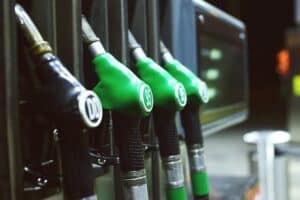
If you’re looking to improve your fuel consumption then with these tips and tricks you’ll be well on your way to saving yourself a bit of cash when it comes to filling up the tank.

Do It Yourself Car Repair Tips
If you’re looking to save money as you’re feeling a little strapped for cash, you could help yourself by maintaining your own car rather than taking it to the garage to be repaired with these basic do it yourself car repair tips.

Why Tyres are the Most Important Part of Your Vehicle
What do you think the most important part of your vehicle is? Although you may not think it,your tyres are arguably the most important part as they are the only part of your vehicle that touch the ground.

Cold Weather Car Problems that Everyone Has Experienced
Every car suffers from the cold in the winter and it can cause us a lot of hassle. Find out how to tackle your winter car problems head on here.