Looking after your vehicle properly helps it stay reliable, safe, and valuable. This hub explains what routine maintenance involves, what needs attention and when, and how good maintenance affects long-term value — across cars and vans.
Already know your reg? → Check your vehicle’s value
Vehicle maintenance is about preventing problems before they become expensive or unsafe. Regular checks and servicing help keep your vehicle running smoothly and protect its long-term value.
Routine maintenance typically includes:
Servicing and oil changes
Tyres, brakes, and suspension checks
MOT preparation and repairs
Fluid levels and warning lights
Wear-and-tear items
Staying on top of these areas can reduce breakdowns and make your car easier to sell later.
If you’re thinking about selling, our selling guidance pages explain how maintenance impacts value.
👉 Take a look at our “servicing and maintenance basics” guide.
Following the manufacturer’s service schedule helps prevent mechanical issues and reassures future buyers.
Regular upkeep plays a big role in valuation — our valuation guidance explains what buyers look for.
Tyres and brakes are critical for safety and are often checked during valuations and inspections.
View our Car and van tyre safety and maintenance pages for full guidance
Ignoring warning lights can lead to larger problems and reduced resale value.
An MOT is a legal requirement and a key indicator of a car’s condition. Preparing properly can reduce failures and unexpected repair costs.
Common MOT-related issues include:
Worn tyres or brakes
Suspension wear
Lighting faults
Emissions problems
If repairs outweigh your vehicle’s value, our scrapping guidance explains your options.
If your car fails its MOT, you still have options depending on the cost and severity of repairs.
Good maintenance doesn’t just improve reliability — it directly affects how buyers and dealers value your car.
Well-maintained cars and vans tend to:
Attract higher offers
Sell faster
Raise fewer inspection concerns
Poor maintenance can reduce value, even if the vehicle still runs.
“Servicing isn’t necessary if the car runs fine.”
Many problems develop quietly and only appear once damage is done.
“Old cars aren’t worth maintaining.”
Basic maintenance can keep older cars reliable and preserve resale or scrap value.
“Minor faults don’t affect value.”
Small issues can signal neglect and lower buyer confidence.
“I should fix everything before selling.”
Some repairs help value, others don’t — it’s about choosing wisely.
If you’re maintaining your car or van yourself— or deciding whether further repairs are worthwhile — checking its current value can help you make an informed decision.
No obligation
See how maintenance affects value
Decide whether to repair, sell, or keep
Prefer not to enter details yet? Learn how maintenance impacts resale value.
👉 maintenance impacts resale value
If you’re ready to move on from your current vehicle, you can get a free valuation here.
👉 get a free valuation
Subscribe to our newsletter
Vehicle Maintenance Guidance Looking after your vehicle properly helps it stay reliable, safe, and valuable. This hub explains what routine maintenance involves, what needs attention

If you’ve got a nasty oil stain sitting on your drive way, no doubt you want rid of it. Read this guide to find out how to get rid of the stains and fast.

The world’s fastest car, know what it is? Discover the top 6 fastest cars in the World right here and what they have to offer.

The history of car technology is long and full of surprises. From rapid development of autopilot systems to the seatbelt. Take a look today.

Discover some of the best UK sports cars here so you can remind yourself of your old time favourites. Find out what sports cars your money could buy.

The synthetic fuel train is full steam ahead, but is it the key to becoming greener? Find out all you need to know about e-fuel here.

Are you familiar with the Motor Ombudsman? Discover what it is and how it can help you here in the event of a motor industry dispute.

Buying your first car can be an exciting but also a daunting

Buying a used car can be a tricky process, especially if you’re

Pre-registered cars – how you can save money Did you know that

Car depreciation explained: future residual


It turns out that electric vehicle drivers are willing to pay more

The Tesla Supercharger network is expanding fast, providing reliable rapid charging throughout

Are you and your family ready to go electric? Well there’s no

How fast do Electric cars charge? How quickly your electric car charges

As a teen, you’re always going to remember your first car so why not check out our handy guide for some top tips on how to buy your first car.

Struggling to know which kit car you want in your garage? Discover more about what they are, their cost and what the best ones are here.

If you’re considering selling your car then you might be thinking about your car’s service history and whether or not the price will be affected if you cannot provide a full-service history. Make sure that you’re aware of the importance of service history with our latest blog.

If the time has come to purchase a new car but you’re unsure on whether you should sell your current car or trade it in, then not to worry, we’re here to help you make that difficult decision. Check our these top tips on how to get the true value for your trade in.
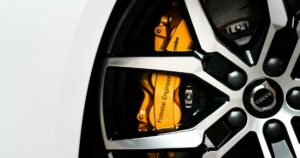
A curbed alloy wheel won’t do your vehicle’s looks any favours. Why not try getting them refurbished instead of buying new ones? We’ll explain all about it here.
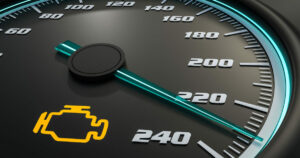
Do you know what to do if your engine warning light comes on? Find out what the bright light means and what you can do to turn it off again here.
Most cars need a service every 12 months or 10,000 miles, whichever comes first.
If you drive shorter trips, tow heavy loads, or use your car in extreme temperatures, servicing may be needed more often. Regular servicing helps prevent breakdowns and keeps repair costs low.
You should never ignore the following dashboard lights:
Engine management light (amber or red)
Oil pressure warning
Battery/charging warning
Brake system warning
If a red light appears, stop the car as soon as it’s safe and investigate immediately. Ignoring these can cause expensive engine or electrical damage.
You may need new tyres if:
Tread depth is below 1.6mm (the legal limit)
There are cracks, bulges, or uneven wear
The steering wheel vibrates at speed
Braking distances feel longer
Checking your tyres regularly improves safety and fuel efficiency.
Every driver should check:
Engine oil
Coolant/antifreeze
Brake fluid
Power steering fluid
Windscreen washer fluid
Running low on any of these can cause performance issues, overheating, or even engine failure.
Most car batteries last 3–5 years.
Signs you may need a replacement include:
Slow engine cranking
Dim headlights
Electrical problems
Battery warning light
Needing to jump-start more often
Cold weather also reduces battery capacity.
You can greatly reduce breakdown risk by:
Keeping up with regular servicing
Checking tyre pressures weekly
Maintaining proper fluid levels
Replacing worn belts and hoses
Keeping your battery in good condition
Small checks now can prevent big repair bills later.
Before winter, make sure to check:
Tyre tread and pressures
Antifreeze strength
Battery condition
Wiper blades and screenwash
Heater and demister system
Carrying essentials such as a torch, blanket and ice scraper is also a good idea.
What sellers expect when using modern car buying platforms Car buying platforms have evolved significantly — and so have seller expectations. While jamjar is fundamentally
How jamjar vets and reviews car buying partners When sellers use a car-selling platform, trust isn’t assumed — it’s earned. Sellers want confidence that the
How jamjar matches sellers with the right car buying partners When sellers use a car-selling platform, they’re not just looking for offers — they’re looking
Why some car buyers lose seller trust (and how good partners avoid it) Most sellers don’t go into a car sale expecting problems — but